Key Takeaways
- Drone limitations in Singapore focus heavily on where, how, and why you fly, not just the drone itself
- Flying in restricted zones, near airports, or over crowds is strictly controlled
- There are clear drone altitude limits in Singapore, even for hobbyists
- Approval is required for commercial, specialised, or higher-risk operations
- Enforcement is strict, and penalties can include fines, confiscation, or criminal charges
Why Drone Rules Are Strict in Singapore
Singapore’s airspace is one of the most tightly managed in the region. With Changi Airport, military installations, and dense urban infrastructure, even small unmanned aircraft can pose safety risks if not properly regulated.
For this reason, drone limitations are clearly defined to address both safety and security concerns. The rules are not only about enabling flight, but also about setting firm boundaries on what cannot be done. Whether you are a hobbyist or exploring drone use more seriously, understanding these limitations is essential before taking to the air.
These rules are formal legal requirements under Singapore law and are enforced by the relevant authorities, not optional guidelines for drone users.
Who Enforces Drone Laws in Singapore?
Drone regulations are primarily overseen by the Civil Aviation Authority of Singapore (CAAS), but enforcement involves multiple agencies depending on the situation.
These may include:
- Singapore Police Force (SPF) for public safety incidents
- Republic of Singapore Air Force (RSAF) for controlled airspace monitoring
- Immigration & Checkpoints Authority (ICA) for cross-border concerns
- Other agencies when drones are used near critical infrastructure
This multi-agency approach reflects how seriously Singapore treats airspace safety and national security.
You Cannot Fly in Restricted or Sensitive Areas
One of the most important drone limitations relates to location.
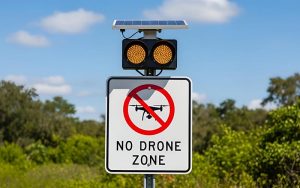
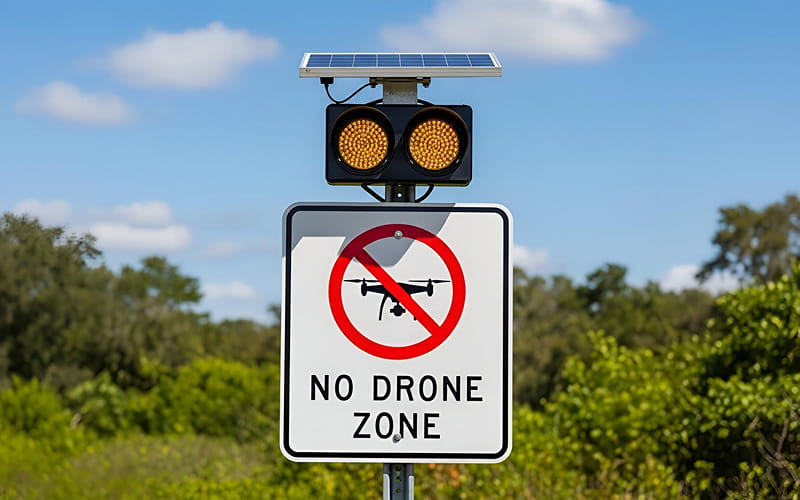
In Singapore, there are strict No-fly zones for drones, and these areas cannot be accessed without prior approval. These typically include:
- Areas near airports such as Changi Airport and Seletar Airport
- Military camps and defence-related zones
- Sensitive government locations and parts of the city centre
These restrictions exist to protect air traffic and national security. Even small recreational drones are subject to these rules.
Many beginners assume open spaces are automatically safe to fly in. In reality, digital maps and official platforms should always be checked before flying. Understanding these airspace rules is a core part of UAPL training in Singapore, where theory is applied to real-world scenarios.
You Cannot Fly Above the Allowed Altitude
Another key restriction involves how high you can fly.
There are defined drone altitude limits in Singapore, where unmanned aircraft must generally not exceed 200 feet (approximately 60 metres) above mean sea level unless approval is obtained.
This limitation ensures safe separation between drones and manned aircraft. For beginners, it is important to understand that altitude is not based on comfort or visibility, but on regulatory thresholds.
As pilots gain experience, managing altitude becomes part of broader flight planning and control. This is often reinforced during structured learning, such as UAPL drone training programmes, where altitude awareness is linked to safety and compliance.
You Cannot Fly Over Crowds or Large Gatherings
Flying over people is one of the most restricted activities under the CAAS drone restrictions in Singapore.
Drones should not be operated over:
- Crowded public spaces
- Events or large gatherings
- Areas where people are densely packed
Even lightweight drones can cause injury if something goes wrong. Singapore’s regulations prioritise public safety, which is why this limitation is strictly enforced.
From a practical perspective, this also affects where hobbyists can practise. Open fields may be suitable, but only when they are not crowded or located within restricted zones.
You Cannot Operate Beyond Visual Line of Sight
Drone operators must maintain a direct line of sight with their aircraft at all times.
This means you cannot rely solely on your controller screen or camera feed. You must be able to see the drone physically without assistance.
Flying beyond visual line of sight increases the risk of collisions, signal loss, and disorientation. It also marks the boundary between basic recreational flying and more advanced operations that require additional approvals and certification.
For those considering progression, understanding these operational limits is part of the pathway in learning how to get a UAPL licence in Singapore, where visual awareness and control are key competencies.
You Cannot Use Drones for Certain Activities Without Approval
Not all drone usage is treated equally under Singapore law.
Some activities require additional permissions, even if your drone meets basic requirements. You cannot:
- Use drones for commercial purposes without proper approvals
- Conduct aerial photography in restricted zones without clearance
- Perform inspections, surveillance, or specialised operations without permits
These activities are regulated more strictly because they involve higher risks or greater public impact.
This is where many users transition from casual flying to regulated operations, requiring deeper knowledge of drone limitations and compliance frameworks.
You Cannot Ignore Registration Requirements
Drone registration is another area where beginners often make mistakes.
Drone registration is required for drones weighing 250g and above before they can be legally operated. Failing to register a drone when required is a violation, even if the flight itself is otherwise compliant.
As drones become more advanced, users may unknowingly cross into categories that require registration. Staying informed about these requirements is essential to avoid unnecessary penalties.
You Cannot Operate Drones Recklessly or Endanger Others
Beyond specific rules, there is a broader legal expectation of responsible behaviour.
You cannot operate a drone in a way that:
- Endangers people or property
- Interferes with other aircraft
- Creates public safety concerns or nuisance
Even if you are flying within permitted zones, unsafe conduct can still result in enforcement action. Responsibility always rests with the operator.
You Cannot Assume Recreational Flying Means No Rules
A common misconception is that hobbyist flying is unregulated.
In reality, recreational users must still comply with all core CAAS drone restrictions in Singapore, including:
- Flying only in permitted areas
- Respecting altitude limits
- Maintaining safe operation at all times
The absence of a licence does not mean the absence of rules. Many violations occur simply because users underestimate the extent to which drone operations are structured in Singapore.
What Are the Legal Implications If You Are Caught?
Violating drone restrictions in Singapore can result in serious consequences.
1. Fines and Financial Penalties
Offences can result in fines ranging from hundreds to several thousand dollars, depending on severity.
2. Confiscation of Equipment
Authorities may seize your drone if it is used illegally or poses a risk.
3. Criminal Charges for Serious Offences
More severe breaches, such as flying near airports or endangering safety, may lead to prosecution, including possible imprisonment.
4. Restrictions on Future Drone Use
Non-compliance can affect your ability to register drones, obtain permits, or pursue certification in the future.
Why Compliance Matters Even for Hobbyists
Drone limitations are enforced consistently, regardless of whether you are flying recreationally or professionally.
Most violations are not intentional. They happen due to a lack of awareness or a misunderstanding of the rules. Understanding these limitations helps you:
- Avoid costly mistakes
- Fly with greater confidence
- Build a strong foundation for advanced operations
There is a small counterpoint worth noting. Some users feel that strict regulations limit spontaneity or creativity in flying. While this may be true in certain situations, these rules are necessary in a dense, high-traffic environment like Singapore, where safety must come first.
Fly Within the Rules and Build Your Skills the Right Way
Understanding drone regulations is essential for safe and responsible flying in Singapore. These rules are not designed to restrict enjoyment, but to ensure that drones can operate safely within a complex and tightly controlled environment.
At Apollo Global Academy (AGA), training goes beyond basic flight control. Learners are guided through both regulatory frameworks and practical applications, building the confidence to operate within legal boundaries.
Contact us if you are ready to move beyond casual flying and develop real-world skills. Explore structured training pathways designed to help you fly safely, confidently, and within the law today.