Key Takeaways
- Drone registration in Singapore is primarily determined by the unmanned aircraft’s weight, while the operational purpose and flight location may affect permit and licensing requirements.
- Drones above 250g typically require registration, while lighter drones must still follow safety regulations.
- Registration applies to the drone, while licensing applies to the operator and their level of training.
- Location-based restrictions and permits can apply even if your drone is registered. This means that certain areas, such as near airports or sensitive zones, may still require prior approval or prohibit flying altogether, regardless of your registration status.
- Starting with proper training helps you navigate compliance, avoid mistakes, and progress confidently.
Not Every Drone Needs Registration, But You Still Need to Decide
For first-time drone owners, one of the most common questions is whether registration is required before flying. The answer is not always straightforward. Drone registration in Singapore is based on a combination of factors rather than a single rule.
Some users assume all drones must be registered, while others believe recreational flying is completely unrestricted. In reality, both assumptions are incorrect. The requirements actually depend on your drone’s weight, how you use it, and where you fly.
Even small differences in weight, purpose, or location can change what is required.
This guide reframes drone registration as a decision-making process, helping you determine what applies to your situation before you take off so you can evaluate your own setup with clarity.
What Is Drone Registration in Singapore?
Drone registration in Singapore is the official process of registering your unmanned aircraft with the Civil Aviation Authority of Singapore (CAAS) before operating it under certain conditions.
The purpose of registration is to ensure accountability. It links a drone to its owner and supports safe airspace management, especially in a dense urban environment where multiple users share limited airspace. This allows authorities to trace responsibility if incidents occur and helps maintain overall aviation safety.
However, registration alone does not grant permission to fly freely. It is only one part of a broader regulatory framework that includes operational rules, permits, and licensing.
Understanding CAAS drone registration requirements helps you see how registration fits into the wider system rather than treating it as a standalone step.
Drone Registration vs Licensing: Why the Difference Matters
Many first-time users confuse registration with licensing, but they serve different purposes under Singapore’s regulatory framework, which is governed by the Civil Aviation Authority of Singapore (CAAS).
Registration applies to the drone itself. It ensures that the aircraft can be identified and traced to its owner, thereby supporting accountability and airspace safety.
Licensing applies to the operator. It demonstrates that the individual has the skills and knowledge required to operate the drone safely, particularly in higher-risk or commercial scenarios defined by CAAS.
In addition to these, certain operations may also require permits depending on where and how the drone is used.
For beginners, this distinction helps avoid unnecessary steps while also preparing for future progression. If you are considering advanced operations, understanding how to get a UAPL licence in Singapore will become increasingly relevant.
A Beginner’s Decision Framework: Do You Need to Register?
Instead of asking a simple yes-or-no question, it is more useful to evaluate your situation using a few key factors.
1. Is Your Drone Above or Below 250g?
Weight is one of the most important thresholds in Singapore’s drone regulations.
- Drones above 250g generally require registration before use
- Lighter drones may not require registration, but still need to follow all safety rules
This drone registration weight limit in Singapore is often where confusion begins. Many beginner drones fall below the threshold, but upgrading to a more capable model can quickly change your obligations.
2. Are You Flying Recreationally or for Work?
Your intent matters.
- Recreational flying typically involves fewer regulatory requirements
- Commercial or professional use may trigger additional compliance steps
If you plan to use your drone for paid work, inspections, filming, or business purposes, registration is often just the starting point. In such cases, you may also need to go through the CAAS drone permit process, depending on the complexity of your operations.
3. Where Do You Intend to Fly?
Location plays a critical role in determining what is required.
Even if your drone does not require registration, flying in:
- Restricted zones
- Controlled airspace
- Densely populated areas
may require permits or additional approvals.
Singapore’s airspace is tightly regulated, and many beginners assume that open areas are automatically safe to fly in. In reality, location-based restrictions are one of the most common reasons for non-compliance.
4. Do You Need Additional Certification or Permits?
Depending on your use case, you may need more than just registration.
This can include:
- Operator permits for specific activities
- UABT (Basic Training) requirements in certain scenarios
- UAPL certification for higher-risk or professional operations
Registration does not replace these requirements. Instead, it works alongside them.
If you plan to progress further, enrolling in a UAPL course or a structured unmanned aerial vehicle training programme can help you build the necessary knowledge and skills for safe, compliant flying.
Step-by-Step: How to Register a Drone in Singapore
Once you determine that registration is required, the process is relatively straightforward.
First, confirm your drone’s specifications and eligibility. This includes checking its weight, intended use, and compliance category. Then, prepare your personal and drone details before submitting an application through the official platform.
If you are new to the process, enrolling in a drone course with SkillsFuture can provide useful guidance on both regulatory requirements and practical considerations, helping you understand not just how to register, but why each step matters.
After paying the required fee, you will receive a registration label that must be affixed to your drone before flying. This label serves as a visible identifier and must remain intact during operation.
While the process itself is simple, ensuring that you are registering correctly based on your use case is where most beginners benefit from guidance.
Common Mistakes First-Time Drone Owners Make
Assuming Small Drones Are Always Exempt
Some users assume that all small drones are exempt from registration. However, once you upgrade or change how you use the drone, requirements may change.
Confusing Registration with Permission to Fly Anywhere
Registration does not allow unrestricted flying. You must still comply with all operational rules, including no-fly zones and altitude limits.
Overlooking Location-Based Restrictions
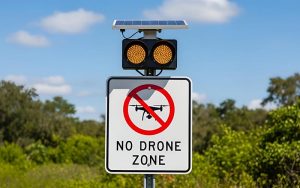
Many beginners choose practice locations based on convenience rather than compliance. Flying near restricted areas, such as near airports, military bases, government buildings, or within controlled airspace, can lead to penalties even if the drone is registered.
To check if a location is allowed, you should refer to official tools such as the OneMap Drone Query or CAAS advisories, which show no-fly zones and areas that require permits before flying.
Not Considering Future Use
Some users start recreationally but later move into commercial use. Failing to plan ahead can result in delays when additional permits or certification are needed.
Relying on Assumptions Instead of Official Guidelines
Drone regulations in Singapore are clearly defined, but relying on hearsay or outdated information can lead to mistakes. It is always important to refer to official requirements.
What Happens If You Get It Wrong?
If you fail to register your drone when required or operate outside the rules, you may face enforcement action.
This can include:
- Fines for non-compliance
- Confiscation of equipment
- More serious consequences if safety is compromised
For beginners, most issues arise from misunderstanding rather than intent. Taking the time to understand the requirements early helps you avoid unnecessary risks and disruptions.
How Registration Fits Into Your Learning Journey
Drone registration is often the first step in a broader progression.
Once you understand when registration is required, how regulations apply to your use case, and what additional requirements may follow, you are better prepared to move into structured training, certification, and more advanced operations.
Building this foundation early allows you to progress with confidence rather than reacting to requirements as they arise.
Conclusion
Understanding drone registration in Singapore is the first step towards flying responsibly and confidently. While the rules may seem complex at first, they become much clearer when approached as a structured decision-making process based on your drone, your intent, and your environment.
At Apollo Global Academy, we guide learners through this journey with practical, hands-on training aligned with CAAS and UAPL requirements. From foundational knowledge to advanced certification pathways, our programmes are designed to help you build real capability, not just awareness.
Contact us if you are planning your next step, whether it is registration, certification, or skill development. Explore the right training pathway for your goals today.