
Key Takeaways
- Jobs without a degree requirement in Singapore are increasingly viable, especially in regulated sectors like security that prioritise certification and reliability.
- Entry-level roles such as Security Officer provide a clear starting point, with structured pathways into higher positions.
- Surveillance knowledge is becoming essential, as modern security relies heavily on CCTV systems and centralised monitoring.
- Continuous training supports progression into specialised and better-paying roles within the industry.
- Government initiatives such as the Progressive Wage Model and SkillsFuture support structured career growth, ensuring wages, training, and progression pathways in the security sector.
- With steady demand and clear career ladders, security offers a practical route to stable, long-term employment.
Introduction
Jobs in Singapore without a degree requirement are no longer limited to low-growth roles. Across several industries, employers are placing greater emphasis on skills, certifications, and hands-on capabilities rather than on academic pathways.
One sector that reflects this shift clearly is security and surveillance. As Singapore continues to develop its infrastructure and strengthen safety measures, demand for trained personnel remains strong. This creates opportunities for individuals to enter the workforce, build experience, and progress through structured pathways.
For those exploring skills-based careers, security offers a practical starting point with long-term potential.
Entry-Level Roles in Security Without a Degree Requirement
The security industry offers a range of entry-level jobs in Singapore that candidates can access with basic certification.
1. Security Officer
This is the most common starting role.
Responsibilities typically include:
- Patrolling premises
- Managing access control
- Responding to incidents
- Ensuring safety procedures are followed
These roles exist across commercial buildings, condominiums, transport hubs, and industrial facilities, making them widely accessible.
2. Control Room Operator
With experience and additional training, individuals can move into monitoring roles.
Responsibilities include:
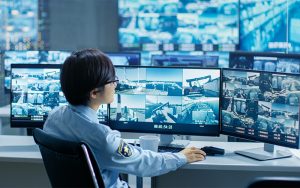
- Monitoring CCTV feeds
- Identifying unusual activity
- Coordinating responses
- Managing surveillance systems
This role requires sharper observation skills and familiarity with systems, making training in CCTV system configuration and troubleshooting especially valuable.
3. Surveillance and Systems Support Roles
As technology becomes more integrated, newer roles are emerging.
These include:
- Supporting CCTV operations
- Assisting with basic system troubleshooting
- Managing recorded footage and reports
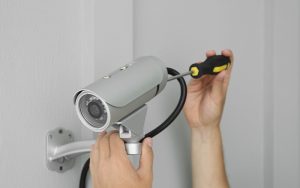
Such positions combine operational duties with technical awareness, bridging the gap between ground work and specialised functions by requiring skills like basic system diagnostics and CCTV footage analysis.
How Certification Opens Up Opportunities
While entry requirements are accessible, certification plays a critical role in expanding career options.
Structured programmes such as a CCTV course in Singapore with WSQ provide practical, recognised knowledge that employers value. With the right training, individuals can move beyond basic duties and take on more specialised responsibilities.
Certification helps individuals:
- Operate surveillance systems confidently
- Understand monitoring workflows
- Support system-related tasks
This positions candidates strongly within the growing pool of skills-based jobs in Singapore, where demonstrated ability matters more than formal education.
Career Progression in Security and Surveillance
One of the key strengths of this industry is its clear progression pathway.
A typical career journey may look like:
- Security Officer
- Senior Security Officer
- Control Room Operator
- Security Supervisor
- Security Manager
With further training, individuals may also branch into:
- CCTV operations and monitoring
- Surveillance system coordination
- Technical support roles
These pathways reflect how stable jobs without qualifications can evolve into structured careers when supported by consistent upskilling.
Stable Income and Job Demand
The security sector remains one of the more resilient industries in Singapore.
Demand is driven by:
- Continuous urban development
- Expansion of transport and infrastructure
- Increasing regulatory requirements for surveillance
As a result, jobs without a degree in Singapore within this sector often offer:
- Consistent employment opportunities
- Predictable income streams
- Flexibility across different work environments
While starting salaries may be modest, progression and specialised skills can improve earning potential over time.
Understanding Shift Work in Security Roles
Most roles operate on a shift-based structure.
This may include:
- Day shifts
- Night shifts
- Rotating schedules
Shift work can offer flexibility and opportunities for overtime income. It also requires discipline, adaptability, and sustained focus during long hours.
For many individuals, this structure becomes a practical trade-off for stable employment and career progression.
Why Surveillance Skills Are Increasingly Important
Modern security operations are no longer limited to physical patrols.
Many environments now rely on:
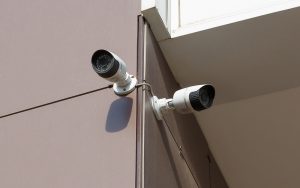
- CCTV monitoring systems
- Integrated surveillance platforms
- Centralised control rooms
This fundamental shift means effective operations now require specialised skills. Individuals trained in CCTV and security training are in demand because they ensure smoother integration of technology, faster incident response times, and the ability to handle complex data analysis.
Without these capabilities, progression may be limited to basic, manual roles.
Building a Strong Foundation Through Training
While the industry is accessible, long-term growth depends on structured skill development.
Training programmes provide a systematic approach to learning, covering both operational and technical aspects. They help individuals:
- Understand surveillance systems clearly
- Avoid common monitoring errors
- Build confidence in real-world scenarios
- Align with evolving industry expectations
Compared to informal learning, structured training creates a stronger foundation for advancement.
Government Support and Policies Strengthening the Security Sector
The growth and stability of Singapore’s security industry are not accidental. They are supported by national policies designed to improve job quality, standardise skills, and create sustainable career pathways.
One of the most significant frameworks is the Progressive Wage Model (PWM) for the security sector. Introduced by the Ministry of Manpower, PWM sets out structured wage ladders tied to job roles, responsibilities, and required training.
This means that as individuals gain experience and complete additional certifications, their wages are expected to increase accordingly. Instead of remaining stagnant, roles are clearly mapped to progression milestones.
Beyond wages, the PWM also ensures:
- Mandatory training aligned with job levels
- Clear career pathways from entry-level to supervisory roles
- Industry-wide standards for skills and performance
In parallel, initiatives by organisations such as SkillsFuture Singapore support continuous learning. Through subsidies and funding schemes, individuals can access courses that help them upgrade into more specialised roles, including surveillance and system operations.
These policies reinforce the value of skills-based jobs in Singapore, making the security sector more structured and attractive for those exploring alternative career routes.
For individuals seeking stable jobs without qualifications, this ecosystem provides both entry opportunities and long-term progression support, backed by national workforce planning.
Step-by-Step Pathway to Enter the Security Industry
For those considering this route, the process can be approached systematically:
- Understand basic requirements
Learn about licensing and entry criteria for security roles in Singapore. - Complete foundational training
Enrol in basic security courses required for entry-level positions. - Gain initial work experience
Start in a Security Officer role to build familiarity with operations. - Upgrade with specialised training
Take courses in surveillance and system operations to expand your skillset. - Progress into advanced roles
Move into control room, supervisory, or technical positions over time.
This step-by-step approach is well-structured and makes landing jobs in Singapore without a degree more predictable.
Conclusion
Jobs without a degree in Singapore can still lead to meaningful and stable careers, especially in industries like security and surveillance. With the right certifications and a commitment to skill development, individuals can move from entry-level roles into specialised positions with greater responsibility.
As the industry continues to evolve, surveillance knowledge is becoming a key differentiator. Building these skills early can open more doors and support long-term progression.
At Apollo Global Academy, our training programmes are designed to equip learners with practical, industry-relevant capabilities. If you are ready to explore a skills-based career path, reach out today to learn how our courses can support your next step.