
Key Takeaways
- CCTV regulations in Singapore are primarily governed by the PDPA, which treats identifiable video footage as personal data.
- Installing CCTV requires a clear purpose, proper notification, and responsible data handling practices.
- Poor camera placement and weak access controls are common causes of compliance breaches.
- Operating CCTV systems involves ongoing responsibilities, not just installation.
- Technical knowledge plays a critical role in ensuring both system effectiveness and regulatory compliance.
Introduction
CCTV systems are widely used across Singapore, from HDB corridors to office buildings and retail spaces. Installation has become more accessible, but compliance has not become simpler.
CCTV is not just a security tool. It functions as a data collection system, capturing identifiable information such as faces, behaviours, and movement patterns. This places it under Singapore’s Personal Data Protection Act (PDPA), meaning improper use can lead to regulatory breaches.
Whether you are installing a system or managing one daily, understanding CCTV regulations is essential. It ensures your system functions effectively while meeting legal and ethical expectations in Singapore’s tightly regulated environment.
Understanding CCTV Regulations in Singapore
What Laws Govern CCTV Use?
Unlike some countries, Singapore does not have a single standalone CCTV law. Instead, CCTV privacy laws in Singapore are shaped by a combination of frameworks:
- Personal Data Protection Act (PDPA)
- Workplace monitoring and safety guidelines
- Sector-specific requirements (e.g. construction sites, security services)
Under PDPA CCTV guidelines in Singapore, any footage that can identify an individual is classified as personal data. This means organisations must:
- Collect data only for legitimate purposes
- Inform individuals that surveillance is taking place
- Protect and manage recorded footage responsibly
This forms the foundation of personal data protection for surveillance, which applies to both businesses and, in some cases, residential setups.
How CCTV Regulations Have Evolved
As surveillance technology has advanced, expectations around compliance have also increased. Modern systems now include cloud storage, remote access, and AI-powered analytics.
This evolution means that the regulations are no longer limited to physical camera placement. They now extend to:
- How data is transmitted and stored
- Who has access to recordings
- How long the footage is retained
In Singapore’s dense urban setting, where cameras may capture shared or public spaces, these considerations become even more important.
Why Compliance Matters in Practice
Non-compliance is not always intentional. Many issues arise from a lack of understanding of how systems function or how regulations apply in real scenarios.
For example:
- A camera angled incorrectly may capture neighbouring units in an HDB block
- Footage shared casually within a team may violate data protection rules
- Weak passwords or unsecured systems may expose recordings to unauthorised access
Understanding how CCTV systems function in practice is essential to avoid these risks, as compliance depends heavily on how systems are set up and used in daily operations.
This is where CCTV surveillance training becomes important, helping individuals apply both technical knowledge and regulatory requirements correctly.
When Is CCTV Use Considered Legal?
Having a Clear Purpose
CCTV use is generally allowed when there is a valid and specific reason, such as:
- Security and crime prevention
- Workplace safety monitoring
- Asset protection in retail or logistics
Using CCTV without a defined purpose, or for excessive monitoring, can raise concerns under regulations.
Providing Notification and Transparency
Transparency is a core requirement under PDPA CCTV guidelines in Singapore.
Common practices include:
- Displaying visible CCTV signage at entry points
- Informing employees about workplace surveillance
- Including notices in tenancy or building agreements
This ensures individuals are aware that monitoring is taking place, which is a key principle in privacy laws for CCTVs in Singapore.
Limiting How Footage Is Used
Footage must only be used for the purpose it was originally collected for.
For instance:
- Security recordings should not be repurposed for unrelated monitoring
- Sharing footage externally must be justified and controlled
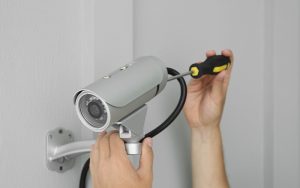
Those handling CCTV systems must be especially mindful of this, as misuse often occurs during day-to-day operations. A strong understanding of CCTV system configuration and troubleshooting also plays a role here, as improper settings or handling can lead to unintended access, misuse, or data exposure.
Where CCTV Installation Can Become Problematic
Invasion of Privacy
Certain areas are strictly off-limits due to reasonable expectations of privacy, including:
- Toilets
- Changing rooms
- Private residential interiors
Installing cameras in such areas can lead to serious legal consequences.
Poor Camera Placement
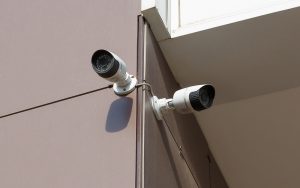
Improper positioning is one of the most common issues in Singapore’s compact living environments.
Examples include:
- Cameras pointing into neighbouring units
- Capturing lift interiors or shared corridors excessively
- Overlapping with areas beyond the intended coverage
These situations often create unintended breaches of personal data protection for surveillance.
Weak Data Security and Access Control
CCTV footage must be properly secured at all times.
Risks arise when:
- Too many people have access to recordings
- Systems lack password protection or encryption
- Footage is stored without clear retention policies
Such lapses directly violate regulations and can lead to enforcement actions.
Responsibilities of CCTV Operators and Owners
Operating a CCTV system involves more than just installing cameras.
Key responsibilities include:
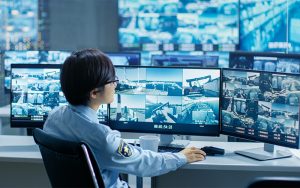
- Monitoring footage appropriately and without misuse
- Storing recordings securely
- Managing retention periods (not keeping data longer than necessary)
- Handling requests for footage correctly
Operators must also understand how systems function, including recording, storage, and playback processes.
This is where structured learning, such as a CCTV course in Singapore with WSQ, can help bridge the gap between theory and real-world application.
Why Technical Knowledge Matters for Compliance
Many assume compliance is purely about following rules. In reality, it is closely tied to technical execution.
For example:
- Incorrect configurations may result in excessive data capture
- Poor network setups may expose systems to cyber risks
- Misunderstanding system features may lead to improper data handling
This is why those who operate CCTV equipment need both regulatory awareness and technical competence.
Common Misconceptions About CCTV Regulations
“CCTV is allowed everywhere as long as it’s for security”
Purpose alone is not enough. Privacy boundaries and proper notification must still be observed.
“Only large organisations need to comply”
Even small businesses and residential users may fall under privacy laws in Singapore if personal data is collected.
“Once installed, there is nothing else to manage”
CCTV systems require ongoing monitoring, maintenance, and data governance. Compliance is continuous, not a one-time setup.
How Training Supports Compliance and System Effectiveness
As CCTV systems become more advanced, expectations for operators and technicians continue to rise.
Training helps individuals:
- Understand both technical and regulatory requirements
- Avoid common installation and operational mistakes
- Apply best practices in real-world environments
It also ensures systems are:
- Properly configured
- Legally compliant
- Operationally effective
Singapore is also expanding mandatory CCTV across sectors such as residential care homes and animal care, increasing the need for skilled and responsible system management.
This makes it increasingly valuable for individuals to build the skills needed to manage and operate these systems confidently and responsibly.
Conclusion
Understanding CCTV regulations in Singapore goes beyond knowing where to place a camera.
It involves recognising that every recording captures personal data, and every system must be managed with care.
From installation to daily operation, compliance depends on both awareness and technical capability. Small oversights can lead to significant issues, especially in environments where privacy expectations are high.
If you are planning to install or manage a CCTV system, building the right knowledge base is essential. At Apollo Global Academy, our programmes are designed to equip you with practical skills, system understanding, and regulatory awareness to support safe and effective CCTV use.
Contact us to learn how you can develop the confidence to handle CCTV systems responsibly and in line with Singapore’s requirements.