
Key Takeaways
- The requirements for security jobs in Singapore include licensing, mandatory training, and the ability to meet operational demands, such as shift work and incident response.
- Employers increasingly prioritise security workforce skills in Singapore, especially situational awareness, communication, and familiarity with surveillance systems.
- As security industry regulations in Singapore evolve, continuous training becomes essential for career progression into specialised and supervisory roles.
- Technology is reshaping security roles in shift work, with more positions involving control room monitoring, system integration, and data interpretation.
- Building technical expertise, especially in CCTV systems, strengthens long-term career prospects and opens pathways beyond entry-level roles.
Introduction
Security roles in Singapore have evolved significantly in recent years. What was once seen as primarily patrol-based work has expanded into a more technology-driven profession, where surveillance systems, monitoring tools, and coordinated response play a central role.
As a result, the requirements for security jobs have become more structured. Individuals must meet licensing criteria, complete recognised training, and develop both operational and technical skills.
For those considering a career in this field, understanding these requirements is the first step toward making informed decisions about training and long-term progression.
Basic Entry Requirements for Security Roles
1. Licensing and Approval
To work legally in Singapore’s security sector, individuals must obtain a licence from the Police Licensing & Regulatory Department (PLRD).
This typically involves:
- Meeting minimum age requirements
- Passing background checks
- Completing required training modules
Security regulations are strictly enforced in Singapore. Without this licence, candidates cannot enter the workforce.
2. Mandatory Training
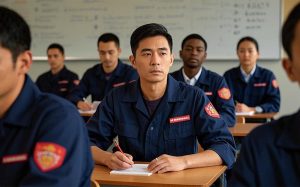
Before starting work, candidates must complete foundational training aligned with national standards.
These courses cover:
- Access control procedures
- Patrolling techniques
- Incident reporting
- Basic security operations
This training is often aligned with the Progressive Wage Model (PWM) for the security sector in Singapore, ensuring that skills development is tied to clear job roles, responsibilities, and wage progression.
This ensures consistency across the industry and establishes a baseline for security workforce skills in Singapore.
3. Physical and Personal Readiness
Security roles are physically and mentally demanding. Many positions involve:
- Long or rotating shifts
- Extended periods of standing or patrolling
- Real-time response to incidents
These expectations are especially relevant in shift-work security roles, where alertness and adaptability are critical across different hours of the day.
Core Skills Requirements in Modern Security Roles
1. Situational Awareness
Security officers must remain alert at all times, identifying unusual behaviour and responding before situations escalate. This skill often separates average performers from those ready for advancement.
2. Communication Skills
Clear communication underpins daily operations. Officers must document incidents accurately, coordinate with colleagues, and engage with members of the public professionally.
3. Incident Management
Effective incident handling requires:
- Quick assessment
- Following protocols
- Escalating issues when needed
These capabilities reflect the growing expectations placed on security personnel in structured environments.
4. Familiarity with Surveillance Systems
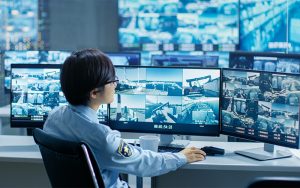
Modern security roles increasingly depend on surveillance technology. Officers are expected to:
- Monitor CCTV feeds
- Switch between camera views
- Review recorded footage
Building a strong foundation in understanding the principles of CCTV supports both performance and career growth, especially in technology-driven environments.
The Growing Role of Technology in Security Jobs
The industry is shifting toward integrated systems that combine physical security with digital monitoring.
Common systems include:
- CCTV surveillance and monitoring
- Access control systems
- Alarm integration
- Centralised control rooms
Security personnel today may manage multiple systems at once, interpret data, and support investigations using recorded footage. This evolution means technical competence is no longer optional.
Developing these skills through a WSQ CCTV course in Singapore helps individuals adapt to these expectations and take on more advanced responsibilities.
Career Progression in the Security Industry
The security sector offers structured pathways for growth.
Typical progression includes:
- Security Officer
- Senior Security Officer
- Control Room Operator
- Security Supervisor
- Security Manager
Advancement depends on experience, additional certifications, and technical capability. Individuals who develop expertise in surveillance systems are often better positioned for supervisory or specialised roles.
Common Gaps New Entrants Face
While basic training prepares individuals for entry-level roles, many encounter challenges as responsibilities increase.
Common gaps include:
- Limited understanding of CCTV systems
- Difficulty operating surveillance equipment
- Lack of exposure to troubleshooting
- Uncertainty in handling recorded data
These gaps can affect confidence, performance, and opportunities for progression.
Why Structured Training Matters
To meet the evolving requirements of security jobs, professionals need more than foundational knowledge.
Structured training provides:
- Hands-on exposure to real-world systems
- Deeper understanding of surveillance workflows
- Clear guidance on operational best practices
It also helps individuals build confidence and reduce errors when handling equipment in live environments.
Bridging into Surveillance and CCTV Roles
As technology becomes central to operations, surveillance roles are gaining importance.
These roles may involve:
- Monitoring multiple camera feeds
- Analysing recorded footage
- Supporting incident investigations
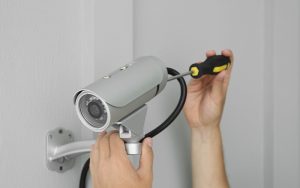
- Assisting with system setup and maintenance
Developing expertise in this area allows individuals to move beyond routine patrol duties and take on more strategic responsibilities. For those looking to specialise, enrolling in a CCTV technician course in Singapore can bridge the gap between theory and practical application.
Step-by-Step Checklist: How to Enter the Security Industry in Singapore
For those considering this career path, understanding the job requirements is easier when broken down into clear, actionable steps. This workflow outlines what to do first, and what comes next.
Step 1: Confirm Basic Eligibility
Start by ensuring you meet the fundamental criteria:
- Minimum age requirement
- Clean background record
- Ability to work in shift-based roles
This is the foundation before moving into any formal application or training.
Step 2: Apply for a Security Licence
Submit your application to the PLRD. Security regulations are strictly enforced in Singapore, and without this licence, you cannot legally begin work.
Step 3: Complete Mandatory Training
Enrol in the required basic security courses. These typically cover:
- Access control
- Patrolling procedures
- Incident reporting
This step ensures you meet the baseline security workforce skills expected by employers in Singapore.
Step 4: Start in an Entry-Level Role
Begin working as a Security Officer to gain real-world experience.
At this stage, focus on:
- Applying standard procedures correctly
- Building confidence in handling daily operations
- Adapting to shift work security roles
Step 5: Build Core Skills on the Job
As you gain experience, strengthen key competencies such as:
- Situational awareness
- Communication and reporting
- Incident handling
These skills are essential for progression into more advanced roles.
Step 6: Develop Technical Knowledge
Modern security environments require familiarity with surveillance systems. Start building your foundation in CCTV principles to stay relevant as roles become more technology-driven.
Step 7: Upgrade with Specialised Training
To move beyond entry-level positions, invest in structured courses such as a CCTV course in Singapore with WSQ.
This helps you:
- Operate and manage surveillance systems confidently
- Qualify for control room or supervisory roles
Step 8: Progress into Advanced Roles
With experience and additional certifications, you can move into:
- Control Room Operations
- Security Supervision
- Technical or system-based roles
For deeper technical expertise, consider a technician course to support long-term career growth.
Step 8: Progress into Advanced Roles
Entering the security industry is not a single step, but a structured journey. By following this sequence, you move from meeting basic requirements to building specialised skills that support career progression in a rapidly evolving field.
Conclusion
The security job requirements in Singapore now extend far beyond basic licensing and entry-level training. It reflects an industry shaped by evolving regulations, growing reliance on technology, and higher expectations for professional competency.
For individuals planning their next step, the focus should be on building relevant skills that align with these changes. Strengthening both operational awareness and technical knowledge not only improves day-to-day performance but also opens doors to more specialised and higher-value roles.
At Apollo Global Academy, our programmes are designed to support this progression. Whether you are starting out or looking to advance, structured training can help you move forward with clarity and confidence in an increasingly dynamic security landscape.
If you are planning your next step in the security industry, contact us to learn how our programmes can support your career development.