
Key Takeaways
- The easiest drone to fly relies on stability systems like GPS and altitude hold, but these are learning aids, not replacements for control.
- Drone features such as obstacle avoidance systems improve safety, though they have clear limitations in real environments.
- Automation tools like return-to-home and intelligent flight modes simplify flying but can create over-reliance.
- Singapore’s urban landscape and regulations mean real-world flying is more complex than it first appears.
- Structured training helps bridge the gap between assisted flying and confident, compliant operation.
Easy to Fly Does Not Always Mean Easy to Operate
For beginners, choosing a drone often comes down to one question: how easy is it to fly?
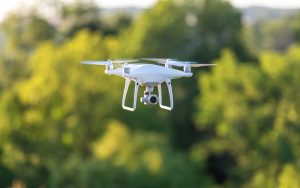
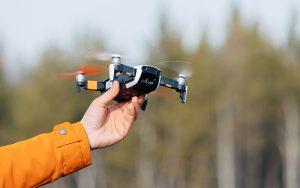
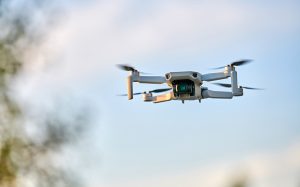
Modern drones are designed to feel intuitive. They can hover automatically, avoid obstacles, and even return home with minimal input. This creates the impression that flying a drone is simple, almost effortless.
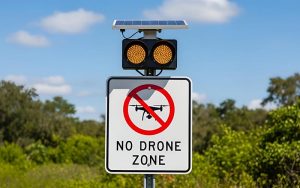
However, in Singapore, ease of flying is only part of the equation. With controlled airspace, restricted zones, and strict safety expectations set by authorities like the Civil Aviation Authority of Singapore (CAAS), operating a drone requires more than smooth controls. It requires awareness, judgement, and an understanding of how the drone behaves in real-world conditions.
This is why beginner-friendly features should be seen as learning tools rather than substitutes for skill. When evaluating the easiest drone to fly, it is just as important to understand how those features translate into actual control.
Stability Systems: Building Confidence, Not Replacing Control
GPS Positioning
GPS is one of the most important stability features available in beginner drones today. It allows a drone to hold its position even when affected by wind, making hovering feel stable and predictable.
In Singapore, where open spaces are limited and obstacles are common, this level of control is especially valuable. It reduces the risk of drifting into unintended areas such as buildings, trees, or restricted zones.
However, GPS is not flawless. Signal interference near high-rise buildings or sheltered environments can affect accuracy. Beginners who rely entirely on GPS as drone flight assistance may find it difficult to adapt when signals weaken or behave unpredictably.
Altitude Hold
Altitude hold keeps the drone at a consistent height without requiring constant throttle input. For beginners, this removes one of the more challenging aspects of flying.
That said, it can also mask how vertical control actually works. Users may become comfortable maintaining height but struggle when manual adjustments are needed in less stable conditions.
These systems build early confidence, but progressing beyond them is essential. This is where structured learning, such as a UAPL course, helps translate assisted control into real-world handling skills.
Obstacle Avoidance: A Safety Feature, Not a Guarantee
One of the most heavily marketed features for the easiest drone to fly is obstacle avoidance. These obstacle avoidance systems for drones use sensors to detect objects and either alert the pilot or automatically adjust the drone’s path.
In Singapore’s dense urban landscape, this can be useful when navigating around trees, structures, or tight spaces.
However, there are important limitations:
- Thin objects such as wires or cables may not be detected
- Performance varies depending on lighting conditions
- Sensor coverage is not always complete
- Systems cannot predict movement from people or vehicles
Obstacle avoidance should therefore be seen as an added layer of safety rather than a guarantee. Pilots still need to maintain situational awareness at all times.
Understanding how these systems behave in different environments is part of developing operational judgement, something typically covered in a UAPL theory course.
Return-to-Home (RTH): Useful, But Not Foolproof
Return-to-home is often one of the most reassuring features for beginners. With a single command or automatic trigger, the drone returns to its take-off point.
This is particularly helpful when:
- The drone is far away
- Orientation is lost
- Battery levels are low
However, RTH depends on accurate positioning and a clear return path. In Singapore’s built-up environment, obstacles such as buildings or signal interference can affect how reliably this feature works.
Beginners who assume RTH will always function perfectly may overlook situations where manual intervention is still required.
Learning when and how to rely on RTH is part of building real-world competence, which is reinforced through practical exposure in a UAPL training programme.
Beginner Modes: A Controlled Starting Point
Beginner or “easy” modes are designed to make the easiest drone to fly even more accessible. They typically reduce speed, limit altitude, and soften control sensitivity.
These modes are useful for:
- Learning basic manoeuvres
- Building confidence in early flights
- Practising in controlled environments
However, they also restrict responsiveness. If used for too long, they can delay adaptation to standard flight behaviour.
Transitioning out of beginner mode is a key milestone. It marks the shift from assisted flying to more independent control, especially when operating in Singapore’s varied environments.
Intelligent Flight Features: Helpful, But Not a Substitute for Skill
Modern drones include intelligent features such as automated take-off, subject tracking, and pre-set flight paths. These tools make it easier for beginners to achieve stable footage and smooth movements.
They:
- Simplify complex manoeuvres
- Reduce the need for constant manual input
- Improve overall flight experience
However, they can also create a false sense of competence. A user may achieve polished results without fully understanding how the drone responds to controls or environmental changes.
In Singapore’s regulated airspace, this gap between perceived and actual skill can become a risk factor. Knowing how to manually control the drone remains essential.
Ease of Use vs Real-World Conditions in Singapore
Flying in an open field is very different from operating in Singapore’s typical environments.
You may encounter:
- Limited open spaces
- Nearby buildings and obstacles
- Airspace restrictions and no-fly zones
- Wind patterns affected by urban structures
A drone that feels easy to fly in ideal conditions may behave very differently in these situations.
This is why ease of use should always be evaluated alongside real-world operating conditions. Practical exposure plays a key role in understanding how drones behave outside controlled environments.
The Trade-Off: Automation vs Skill Development
Beginner-friendly features make drones more accessible, but they come with trade-offs.
Automation helps to:
- Build confidence quickly
- Reduce early mistakes
- Lower the learning curve
However, it can also:
- Delay understanding of manual controls
- Reduce awareness of environmental factors
- Encourage over-reliance on assisted systems
The goal is not to avoid these features, but to use them as stepping stones. Over time, reliance should shift from automation to skill.
Why the Easiest Drone to Fly Still Requires Training
Even if a drone is marketed as beginner-friendly, safe and compliant operation still requires:
- Understanding Singapore’s airspace rules
- Managing unexpected conditions
- Making real-time decisions during flight
In a tightly regulated environment, technical ease does not replace operational responsibility.
Structured learning helps bridge the gap between basic control and real-world flying. It provides the context needed to operate safely, not just smoothly.
Start with the Right Features, Then Build Real Skills
Choosing an easy drone to fly can make your first flights smoother and more enjoyable. Stability systems, safety features, and intuitive controls all contribute to a better starting experience.
However, ease of flying is only the beginning. True competence comes from understanding how to operate safely, respond to different environments, and comply with regulations in Singapore.
At Apollo Global Academy (AGA), learners move beyond assisted flying through hands-on, assessment-focused training aligned with CAAS and UAPL requirements. As a direct training provider, AGA helps individuals develop practical skills that go beyond automation, preparing them for real-world drone operations.
Contact us if you are ready to build confidence in flying and operating responsibly. Reach out to our team and explore the right training pathway for your goals.