
Key Takeaways
- Understanding how to get certified as a security guard starts with completing approved training and meeting licensing requirements.
- The Police Licensing and Regulatory Department oversees all licences, ensuring strict compliance across the industry.
- Mandatory security training courses form the foundation of entry-level skills and are aligned with national workforce standards.
- The security officer application process includes background checks, document verification, and certification validation.
- Certification is only the starting point. Further training, such as a WSQ CCTV course in Singapore, opens pathways into surveillance, systems, and specialised roles.
What Is a WSQ Course in Singapore?
If you are planning to enter the security industry in Singapore, the first step is to understand how to get properly certified as a security guard.
Unlike general career advice, this pathway is structured and regulated. You cannot begin work without completing the required training and meeting the basic licensing requirements in Singapore.
Training providers such as Apollo Global Academy play an important role at this stage. They prepare individuals with the necessary certifications and guide them through the process. This guide walks you through each step clearly, so you know what to expect from start to finish.
Before You Begin
Before you begin, it helps to have the necessary documents ready.
This can prevent delays when enrolling in training or submitting your licence application.
You will typically need:
- A valid identification document (NRIC, FIN, or passport)
- Proof of eligibility to work in Singapore
- Recent passport-sized photograph (if required for applications)
- Educational certificates (if requested by training providers)
- Completed training certificates (for licence submission later on)
Having these documents prepared early ensures a smoother transition from training enrolment to the security officer application process. It also reduces the likelihood of delays when submitting your application to the relevant authorities.
Step 1: Enrol in an Approved Security Training Course
From 1 Jan 2024, all new-entrant SOs are required to pass the following courses before deployment.
- a) TSC Guard and Patrol (Provide Guard & Patrol Services) (PGPS) and TSC Access Control Management (Operate Basic Security Equipment) (OBSE) [New]
- b) TSC Incident Response (Handle Security Incidents and Services) (HSIS)+
- c) TSC Threat Observation (Recognise Terrorist Threats) (RTT)
The certification process begins with enrolling in one of the mandatory security training courses offered by approved providers.
These modules are designed to build the baseline competencies expected of all security officers, in line with workforce standards outlined under the sector information for the security industry.
These courses are structured under Singapore’s national Skills Framework and form part of the mandatory security training courses required before entering the industry.
Step 2: Complete the Required Training Modules
Once enrolled, the next step in learning how to get certified as a security guard is completing all required modules.
This stage involves both theory and practical application. You will need to:
- Attend structured training sessions
- Participate in guided practical exercises
- Pass competency-based assessments
These modules are designed to ensure consistency across the industry. Rather than focusing only on theory, they assess your ability to perform real-world tasks expected in entry-level roles.
Completion of these modules is compulsory before you can proceed to the next stage.
Step 3: Submit Your Licence Application
After completing your training, you will move into the security officer application process.
Submit an application through the Police Licensing and Regulatory Department, which regulates all security personnel in Singapore.
The process typically includes:
- Submission of training certificates
- Identity and background checks
- Verification of eligibility under basic licensing requirements in Singapore
This step ensures that every licensed officer meets professional and regulatory standards before entering the workforce.
Step 4: Await Approval and Issuance of Licence
Once your application is submitted, the authorities will review your documents and eligibility.
If approved:
- You will receive your security officer licence
- You are legally allowed to begin work in the industry
Processing times may vary, but delays are usually linked to incomplete submissions. Ensuring all documents are accurate helps keep the process smooth.
Step 5: Begin Work as a Certified Security Officer
At this stage, you have completed the full process of how to get certified as a security guard.
With your licence issued, you can:
- Apply for entry-level security roles
- Gain on-the-job experience
- Build familiarity with operational routines
This is where training transitions into real-world application, and your understanding of procedures becomes part of daily work.
Step 6: Plan Your Next Steps After Certification
While certification allows you to start working, it is not the end of your development.
As you gain experience, you may encounter:
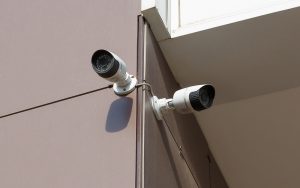
- Surveillance systems
- Control room environments
- Technology-driven security operations
At this stage, additional training can help you move beyond basic roles. This includes building a deeper understanding of system-based work, such as understanding the principles of CCTV, which is increasingly relevant in modern security environments.
Developing these skills allows you to take on more structured responsibilities and adapt to the growing use of technology in the industry.
Quick Summary: Simple Certification Workflow
Here is a quick summary.
If you are looking for a clear path to getting certified as a security guard, the process can be simplified into four key steps:
- Identify the Required Training Modules
2. Complete Your Certification
3. Apply for Your Licence
4. Start Work
This streamlined workflow helps you focus on what matters, moving efficiently from training to employment.
Common Mistakes to Avoid During the Certification Process
Even though the process is structured, there are common pitfalls that can slow progress.
1. Choosing Unrecognised Training Providers
Training must be completed through approved providers. Otherwise, it will not be valid for licensing.
2. Incomplete or Delayed Applications
Missing documents or incorrect submissions can delay approval during the application process.
3. Treating Certification as the Final Step
Certification allows you to enter the workforce. Long-term growth requires continuous learning and skill development.
Why Choosing the Right Training Provider Matters
The process of getting certified as a security guard is straightforward, but the quality of training can shape how prepared you feel when you begin work.
A structured training provider can:
- Guide you through licensing and certification requirements
- Ensure your training meets regulatory standards
- Build a strong foundation for future skill development
Apollo Global Academy supports learners from the certification stage through to more advanced areas such as surveillance and system-based operations, including pathways like a CCTV technician course in Singapore for those looking to build technical expertise.
From Certification to Capability With Apollo Global Academy
Understanding how to get certified as a security guard is about more than completing a checklist. It is about entering a structured industry with the right foundation.
Each step, from training to licensing, ensures you are prepared to meet the role’s expectations. Once certified, the focus shifts towards building experience and expanding your skill set.
At Apollo Global Academy, our programmes are designed not just to help you get certified, but to support your progression into more specialised areas of security. If you are ready to begin your journey, reach out today to take the first step towards a structured and sustainable career in the industry.