
What Job Stability Means to Us Today
We think the meaning of job stability has changed in Singapore.
In the past, a stable career was often associated with staying with one company for many years. Today, restructuring, digitisation, and new technology can change which skills employers need.
We therefore encourage learners to think of job stability as career resilience. A resilient worker has capabilities that remain useful even when job scopes, employers, or technologies change.
From this perspective, Singapore’s security sector deserves a closer look for those seeking a career with sustained demand, accessible entry points, and room to build more specialised skills over time.
Key Takeaways
|
Why We Continue to See Demand for Security Work
Security is tied to the everyday operation of buildings, workplaces, infrastructure, events, and public-facing spaces. Organisations may change how security is delivered, but they still need to manage access, monitor premises, respond to incidents, protect assets, and maintain safe environments.
The Ministry of Home Affairs (MHA) states that more than 49,000 security officers and 250 security agencies support the Home Team in protecting the places where people live and work. MHA also identifies increased demand for security services, alongside slower workforce growth, as reasons the industry needs to become more productive and technology-enabled.
This helps explain the continuing demand for security jobs that Singapore employers face. It is not simply about filling traditional guarding posts. Security needs are expanding into surveillance systems, access control, visitor management, analytics, command centres, and integrated facilities solutions.
For someone considering the sector, job stability is stronger when the underlying service remains necessary across many organisations rather than one narrow market.
Singapore’s Growth Keeps Changing the Security Environment
No career can guarantee employment. What we do see is a country whose built environment, transport systems, commercial spaces, and digital infrastructure continue to become more complex.
This growing complexity is reflected in Singapore’s physical security market, which is projected to grow from US$2.93 billion in 2025 to US$4.34 billion by 2030, alongside continued investment in surveillance, access control, and integrated security solutions.
That relationship between urbanisation and security demand is important.
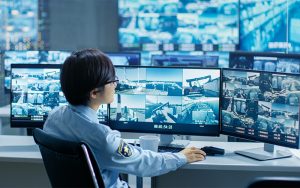
A modern site may combine security officers, CCTV networks, access control, sensors, visitor systems, alarms, remote monitoring, and centralised command functions.
This is where the broader security industry growth story in Singapore becomes relevant. Growth includes not only manpower, but also security technology, systems integration, remote operations, and specialised technical capabilities.
For workers, this can strengthen job stability when they build skills that fit both the human and technological sides of the industry.
Technology Is Changing Security Careers, Not Simply Replacing Them
One misconception we often hear is that more CCTV, automation, and remote monitoring will eventually make security workers unnecessary.
We see the situation differently.
Singapore’s Security Industry Transformation Map is moving the sector away from a purely manpower-intensive model towards one that combines skilled people with technology. MHA has highlighted the need for workers who can operate integrated, technology-driven platforms, and identified the Security Technologist role as part of new skills-based career pathways.
These security sector trends in Singapore suggest that technology should be treated as a reason to upskill, not a reason to avoid the industry.
A worker who understands only one routine may be more exposed when operations change. Someone who can work with surveillance platforms, access control, command-centre equipment, or other security technologies has more ways to contribute.
For us, that is a more useful way to think about job stability. The objective is not to resist change. It is to become more capable as change happens.
Accessible Training Can Make a Stable Career More Reachable
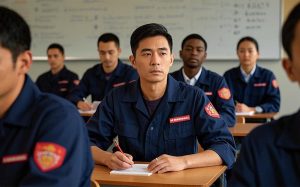
One of the strongest reasons we champion security training is that the sector can offer practical entry points for people who are ready to learn.
Not everyone who enters security technology begins as an engineer or experienced technician. Some learners are exploring a new industry. Others may already work in security and want to move towards surveillance, command-centre operations, or more technical responsibilities.
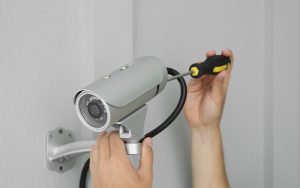
At Apollo Global Academy, our CCTV system security course introduces learners to surveillance concepts and applications, while further training can develop skills in system design, installation, testing, access control, and command-centre operations.
Our CCTV 1 programme, for example, is a three-day WSQ course combining classroom learning with practical sessions. It is positioned for people entering the industry as well as experienced professionals refreshing their knowledge.
This accessibility matters for job stability. Workers do not always need to leave employment for years to begin building a new skill set. Focused training can provide a starting point from which they continue developing.
Training Helps Workers Build Skills That Travel With Them
We see training as valuable not merely because it adds a certificate to a résumé. Its deeper value is that it gives workers capabilities they can apply in different operating environments.
A site routine may change when you move employers. Knowledge of cameras, monitoring principles, access control, command-centre operations, system configuration, or troubleshooting can remain relevant across multiple workplaces.
That is why practical CCTV and security training can contribute to job stability. It helps workers build knowledge that is less dependent on one particular site.
For career switchers, training can bridge the gap between interest in the sector and having recognised skills to keep building.
Structured Progression Also Matters
Demand alone is not enough to create a good long-term career. Workers also need a way to progress.
A learner may begin with CCTV principles, then progress towards a more technical security systems engineering course, building capability in manageable stages.
Singapore’s security sector has a structured Progressive Wage Model (PWM). The Ministry of Manpower explains that the Security PWM links training requirements with progressive wages at different job levels, so workers are paid in line with their skills and productivity.
We consider this relevant to job stability because it formalises the connection between skills development and progression. The career conversation becomes less about simply remaining employed and more about how a worker can qualify for higher-value responsibilities.
Depending on the pathway, development may include stronger operational skills, supervisory responsibilities, remote surveillance functions, command-centre work, or technical competencies.
Progression is not automatic after completing a course. Experience, performance, role availability, licensing requirements, and employer needs still matter. However, a structured industry gives learners clearer signals about what skills they may need next.
In our experience as a training provider, that clarity makes job stability more achievable. People can plan their development instead of relying entirely on tenure.

Why We Encourage Learners to Combine Security Knowledge With Technology Skills
If someone asks us how to strengthen their position in the security sector, our answer increasingly centres on breadth: understand the security function, but also the systems supporting it.
Modern security environments can involve CCTV, alarms, access control, networked devices, command centres, and remote surveillance. This creates opportunities for people who are comfortable operating between physical security and technology.
It also creates a stronger basis for job stability. A broader skill set makes it easier to adapt when an employer redesigns a role, deploys a new system, or moves toward technology-supported security.
For practical, technically minded learners, security systems training can involve configuring equipment, understanding system architecture, testing installations, monitoring information, and diagnosing basic faults.
At Apollo Global Academy, we combine theory and hands-on training so learners can connect concepts with the realities of security systems in the workplace.
What We Would Tell Someone Considering the Security Industry
If your main concern is job stability, we would not advise choosing security simply because you assume “there will always be guards”. That is too narrow a view of the sector.
Instead, look at where the industry is heading. Singapore is pushing for more technology adoption, greater productivity, better skills, and clearer career pathways. Security organisations still need people, but their value increasingly depends on what they can operate, understand, manage, and improve.
We would suggest thinking in three stages:
- Build a recognised foundation. Start with training relevant to the type of security work you want to enter.
- Gain practical exposure. Apply what you learn and become comfortable with real operating environments.
- Keep adding adjacent skills. Surveillance, access control, command-centre systems, installation, and troubleshooting can broaden where your experience takes you.
This is the type of job stability we believe is sustainable: not standing still, but staying employable as the sector develops.
Our Proposed Pathway Into Singapore’s Security Industry
For someone entering the sector for the first time, we recommend thinking of the journey as a progression rather than trying to become highly specialised immediately. The goal is to build a practical foundation first, then add skills that can support broader responsibilities over time.
Step 1: Decide Which Part of Security Interests You
The security industry covers more than frontline guarding. Depending on your interests and strengths, you may eventually move towards areas such as:
- Security operations
- CCTV and surveillance
- Access control systems
- Command-centre operations
- Security systems installation
- Technical support and troubleshooting
Having a general direction helps you choose training that is relevant to the kind of work you want to pursue.
Step 2: Start With Accessible, Relevant Training
You do not necessarily need an engineering background or previous security experience to begin developing useful security technology skills.
We usually recommend starting with foundational training that introduces how CCTV, surveillance, and security systems work in real operating environments. This can give newcomers and career switchers a practical entry point before moving into more technical areas.
Step 3: Build Practical Experience
Training provides the foundation, but practical exposure is what helps learners understand how security systems operate in real settings.
Once you enter the industry, focus on becoming familiar with day-to-day processes, equipment, incident response, monitoring procedures, and how different security functions work together.
The aim is to become dependable in one area before gradually broadening your capabilities.
Step 4: Add Technical and Adjacent Skills
As your experience grows, look for opportunities to develop skills beyond your starting role.
For example, someone familiar with CCTV operations may later benefit from learning more about system configuration, access control, installation, testing, or integrated security systems.
This can open up a wider range of responsibilities and make it easier to adapt as your role evolves.
Step 5: Keep Upgrading as the Industry Changes
We see continuous learning as an important part of building a long-term career in security.
As the sector becomes more technology-enabled, workers may need to become familiar with new systems, workflows, and responsibilities. Keeping your skills current can help you remain relevant as the industry develops.
At Apollo Global Academy, we encourage this pathway: start with a practical foundation, build real-world experience, and keep developing your capabilities as new opportunities emerge.
Frequently Asked Questions
1. Is Singapore’s security industry a stable career choice?
We see it as a sector with several characteristics that can support job stability, including ongoing demand, use across many industries, structured training requirements, and increasing adoption of security technology. Individual outcomes still depend on qualifications, experience, performance, and the roles pursued.
2. Do I Need Technical Experience Before Taking Security Systems Training?
Not necessarily. Some programmes provide foundational knowledge before learners progress into more advanced technical areas. At Apollo Global Academy, selected CCTV and security systems courses suit newcomers and experienced professionals updating their skills.
3. Can Security Training Help Me Progress Beyond Entry-Level Work?
It can help you build competencies for broader roles, although training alone does not guarantee promotion or employment. We recommend viewing each course as part of a longer skills pathway that can strengthen job stability and prepare you for changing responsibilities.
4. Will Technology Reduce Security Career Opportunities?
Technology is changing job scopes, but Singapore’s industry strategy strongly emphasises combining skilled manpower with technology. We therefore see value in learning how security systems operate rather than treating technology as separate from a security career.
Build Job Stability by Building Skills
We do not believe a stable career is one that never changes. We believe job stability comes from remaining useful when the work around you changes.
Singapore’s security industry illustrates this clearly. Demand continues, but security is becoming more advanced, connected, and technology-driven. That creates a need not only for manpower, but for people who understand modern operations and systems.
At Apollo Global Academy, we want training to be an accessible way for learners to enter that environment, update their capabilities, and keep building towards more specialised work. The stronger and more adaptable your skills become, the more control you can build over your own job stability.
Contact us if you would like to understand which course fits your starting point and career goals.